
Where We Work
We are working in Kenya and Nepal to enable people in poverty to transform their lives through clean energy.


Over 21 million people in Kenya and Nepal lack access to energy, and even where they are connected to the grid, supply is often unaffordable and unreliable.
Kenya
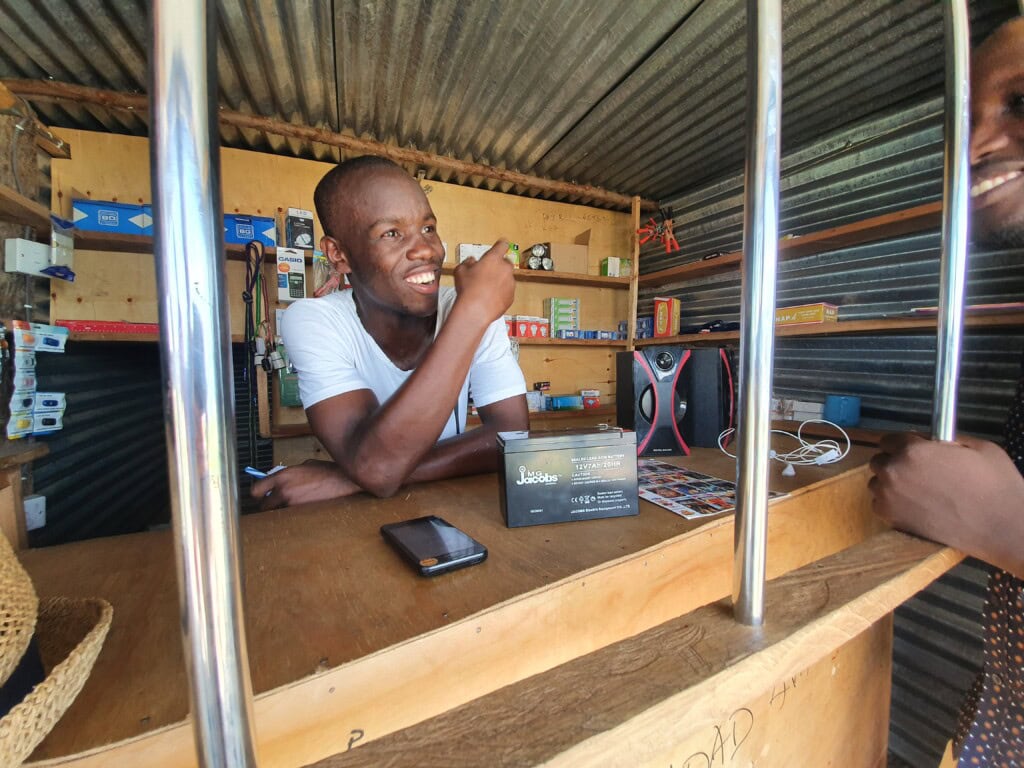


38% of Kenya’s population of 53 million people are living in poverty (2021). Across the country, pockets of extreme poverty prevail, especially in rural areas. Over 11 million Kenyans are without access to energy and a high proportion of those who are connected to the national grid experience frequent power failures.
We are scaling up our programme in Kenya, building on a decade’s experience. With its relatively well-developed private sector and funding environment, we seek to pilot innovation in Kenya, and unleash the power of energy through its productive use and facilitating private sector investment.
We are delivering a solar powered ice making project on Lake Victoria in Kenya, in partnership with an award-winning youth-led social enterprise to help drive change for marginalised fishing communities. We are collaborating with community champions in Western Kenya to test and share results of improved cookstoves. Our work to sustainably electrify rural and remote health centres is growing, with a new phase launching imminently.
Nepal
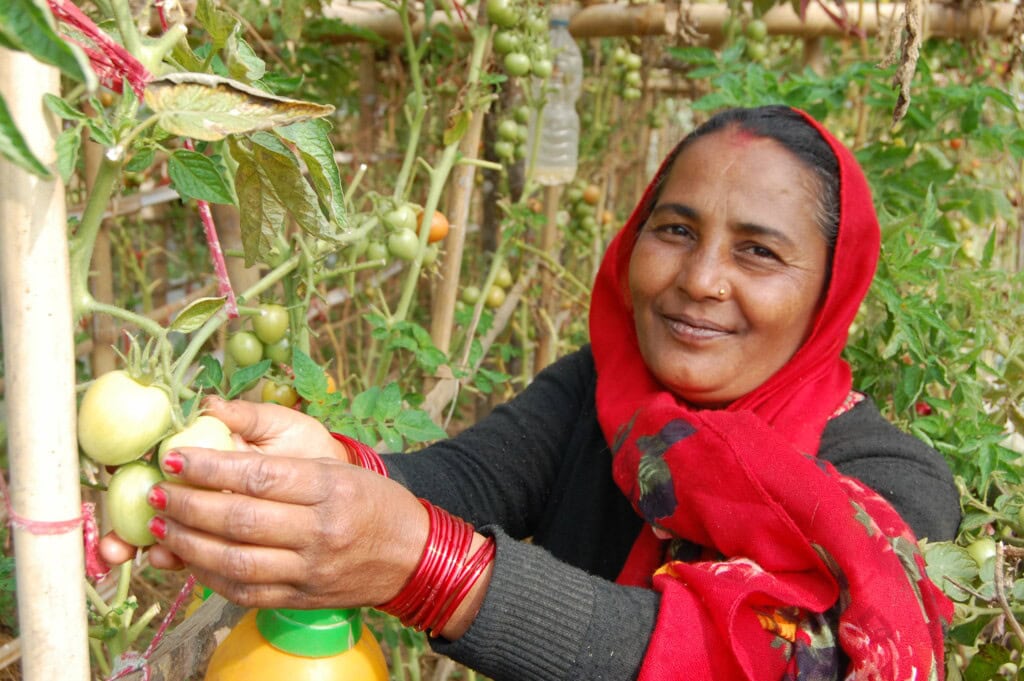


One in six people in Nepal are living in poverty (2021). We are working with Nepal’s off-grid communities for whom access to energy can be transformational. We also increasingly partner with poor on-grid communities, empowering them to make use of the energy they have, augmented with more reliable and affordable clean energy technologies where appropriate.
Our work is currently delivered in Karnali, Sudurpashchim, and Lumbini provinces. Office locations in Kathmandu, Surkhet and Gulmi enable us to develop local partnerships and influence that extend well beyond individual projects. This is key to effective locally led development and achieving catalytic change. A centre of excellence, our Nepal programme provides technical and operational expertise across Renewable World globally.
We are at the forefront of piloting and testing new renewable energy technologies for their appropriateness in a variety of contexts. For instance, we have pioneered new approaches to enable access to water for hilltop communities across Nepal, successfully advocating to the Alternative Energy Promotion Centre (AEPC) to include solar powered water lifting technology within their national subsidy mechanism. We work to identify early adopters whom we support through training and piloting of technology and approaches, enabling them to showcase results and encourage peer adoption. We are training farmers in Nepal to adopt climate-smart agricultural techniques and pass on their knowledge. And we are working with partners such as Zoological Society of London (ZSL) and Wildlife Conservation Nepal (WCN) to design and pilot a new local curriculum incorporating conservation and renewable energy.